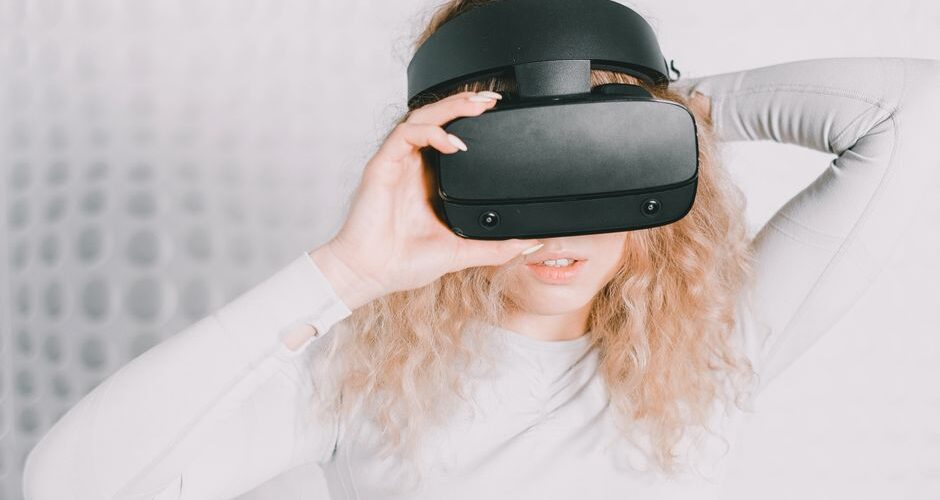
The Virtual Reality Tourism Boom
As we wade deeper into 2026, it’s clear that the travel industry has been reshaped not just by technology, but by an adventurous spirit eager to explore the unseen. Enter virtual reality (VR) tourism — a sector that’s rapidly transforming from a novel idea into a full-blown industry. With the global VR market projected to exceed $90 billion by 2027, there’s an enticing opportunity for entrepreneurs to create side hustles that offer virtual experiences, allowing users to explore from the comfort of their homes.
Why Virtual Reality Tourism?
The concept of virtual reality tourism isn’t just about strapping on a headset and seeing far-off lands. It’s about creating immersive experiences that engage all the senses, offering a taste of adventure without the physical constraints of travel. VR tourism caters to people with limited mobility, budget travelers, and even those seeking a safer or more convenient way to explore. Offering a glimpse into places like the ruins of Machu Picchu or the vibrant streets of Tokyo, VR tourism is a gateway into a richer, more accessible world.
Crafting Compelling VR Experiences
For your VR tourism side hustle to succeed, you’ll need to craft experiences that are both compelling and unique. Consider focusing on niche markets: culinary tours through the streets of Rome, historical journeys to ancient Egypt, or even virtual safaris in the Serengeti. Use 3D modeling, high-definition video, and interactive elements to create environments that feel alive. Collaborate with local historians, chefs, or tour guides to add authenticity and depth to these experiences.
Technology and Tools
The tools to create VR content are more accessible than ever. Platforms like Oculus, HTC Vive, and Sony’s PlayStation VR offer robust systems for deploying VR experiences. On the development side, software such as Unity and Unreal Engine provides the backbone for creating rich, interactive environments. Moreover, you’ll need high-resolution 360-degree cameras, like the Insta360 Pro 2 or the GoPro Max, to capture stunning visuals that will captivate your audience.
Monetization Strategies
With your VR tours ready, it’s time to consider how to monetize your venture. Subscription models are a popular choice, offering users a library of experiences they can access for a monthly fee. Alternatively, consider offering individual tours as one-time purchases. Collaborate with travel agencies to provide virtual previews of travel packages, earning commissions on bookings. You could even host live VR events or offer bespoke experiences tailored to corporate clients or educational institutions.
Challenges and Opportunities
Like any business, VR tourism has its challenges. High production costs, keeping up with rapidly evolving technology, and ensuring a seamless user experience can be daunting. However, these challenges bring opportunities for innovation. As VR hardware becomes more affordable and widespread, the demand for high-quality content will only grow. By staying ahead of technology trends and continuously improving your offerings, you can position yourself at the forefront of this burgeoning industry.
Practical Takeaway: Starting a VR tourism side hustle in 2026 is not just about leveraging cutting-edge technology; it’s about tapping into the human desire for exploration and connection. By offering immersive, engaging experiences, you can build a business that’s not only profitable but also enriching for your audience. Embrace creativity, collaborate with experts, and keep a pulse on technological advancements to make your venture a success.