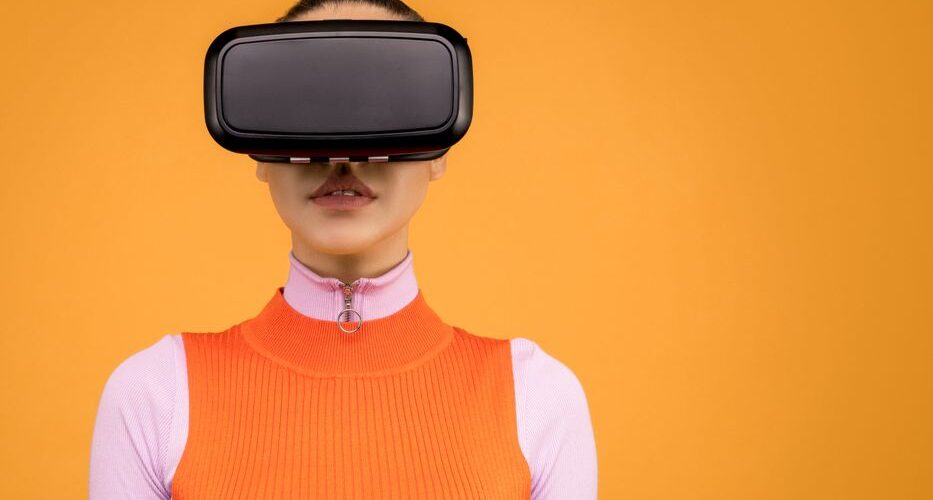
The Virtual Reality Retail Boom
Welcome to 2026, where shopping has taken an incredible leap into the virtual world. Virtual Reality (VR) commerce is no longer a futuristic concept—it’s here, transforming the way we shop and do business. With the VR retail market projected to reach a staggering $100 billion by the end of 2027, now is the time to explore this exciting opportunity. Whether you’re an entrepreneur looking to diversify or a retailer aiming to enhance customer experiences, VR commerce offers a new frontier worth exploring.
Understanding the VR Commerce Landscape
Before diving into building your VR business, it’s crucial to understand the landscape. Virtual Reality technology creates immersive, 3D environments that simulate physical presence, allowing customers to explore products and interact with brands like never before. Major cities like New York and Tokyo now have VR malls, where shoppers can browse stores from the comfort of their living rooms.
In this digital era, consumers crave personalized experiences. VR commerce meets this demand, providing tailored shopping journeys that traditional e-commerce can’t match. Imagine offering a virtual try-on service for clothing, where customers can see how an outfit fits in real-time. Or a customizable home design tool where users can virtually place furniture in their living spaces before making a purchase. The possibilities are only limited by your imagination.
Steps to Building Your VR Retail Business
Creating a VR retail business involves several key steps. Here’s a guide to help you get started:
- Research and Plan: Begin by researching the VR market and identifying a niche that interests you. Consider emerging trends in consumer behavior and technology advancements.
- Choose the Right Platform: Selecting the appropriate VR platform is critical. Platforms such as Spatial, VRChat, and AltspaceVR offer dynamic environments and tools to help you create engaging experiences.
- Create Immersive Content: High-quality, engaging content is essential for retaining customers. Collaborate with VR developers and designers to create virtual storefronts and product simulations that captivate your audience.
- Integrate Secure Payment Systems: Ensuring secure transactions is vital for building trust with your customers. Partner with reliable payment gateways that specialize in VR commerce.
- Market Your VR Store: Use social media, online advertisements, and VR influencer partnerships to promote your virtual store. Highlight the unique experiences and benefits of shopping in VR to attract and retain customers.
Success Stories: Learning from the Pioneers
Several businesses have already ventured into VR commerce with impressive success. Take ‘DreamWardrobe’, a fashion retailer that launched its VR store in 2025. They reported a 45% increase in sales within the first year, thanks to their innovative virtual fitting room. Customers loved the ability to try on clothes virtually, which led to higher conversion rates and lower return rates.
Another example is ‘HomeScape’, a furniture company that embraced VR to offer customers a virtual home design experience. By partnering with interior designers and VR developers, they created a platform where users could experiment with furniture layouts and decor styles. This interactive experience resulted in a 60% boost in customer engagement and a significant increase in online sales.
The Future of VR Commerce
The future of VR commerce is bright and filled with potential. As technology continues to advance, we can expect even more immersive and personalized shopping experiences. Artificial Intelligence (AI) integration will play a significant role, offering data-driven recommendations and enhancing customer interactions.
Moreover, advancements in VR hardware, such as more affordable and comfortable headsets, will make VR shopping more accessible to the masses. Businesses that adapt to these changes and innovate will thrive in the coming years.
How to Stay Ahead in the VR Commerce Game
To stay competitive in VR commerce, focus on continuous innovation and customer satisfaction. Regularly update your virtual store’s content and features to keep customers engaged. Gather feedback and use it to improve the shopping experience.
Networking with other VR entrepreneurs and attending VR technology conferences can provide valuable insights and collaboration opportunities. Keep an eye on industry trends and be ready to pivot your strategy as needed.
Practical Takeaway: Venture into the world of VR commerce with a strategic approach and an innovative mindset. By understanding the market, creating compelling VR content, and prioritizing customer experience, you can establish a successful VR retail business. As VR technology continues to evolve, those who embrace its potential stand to gain immensely in the retail sector.